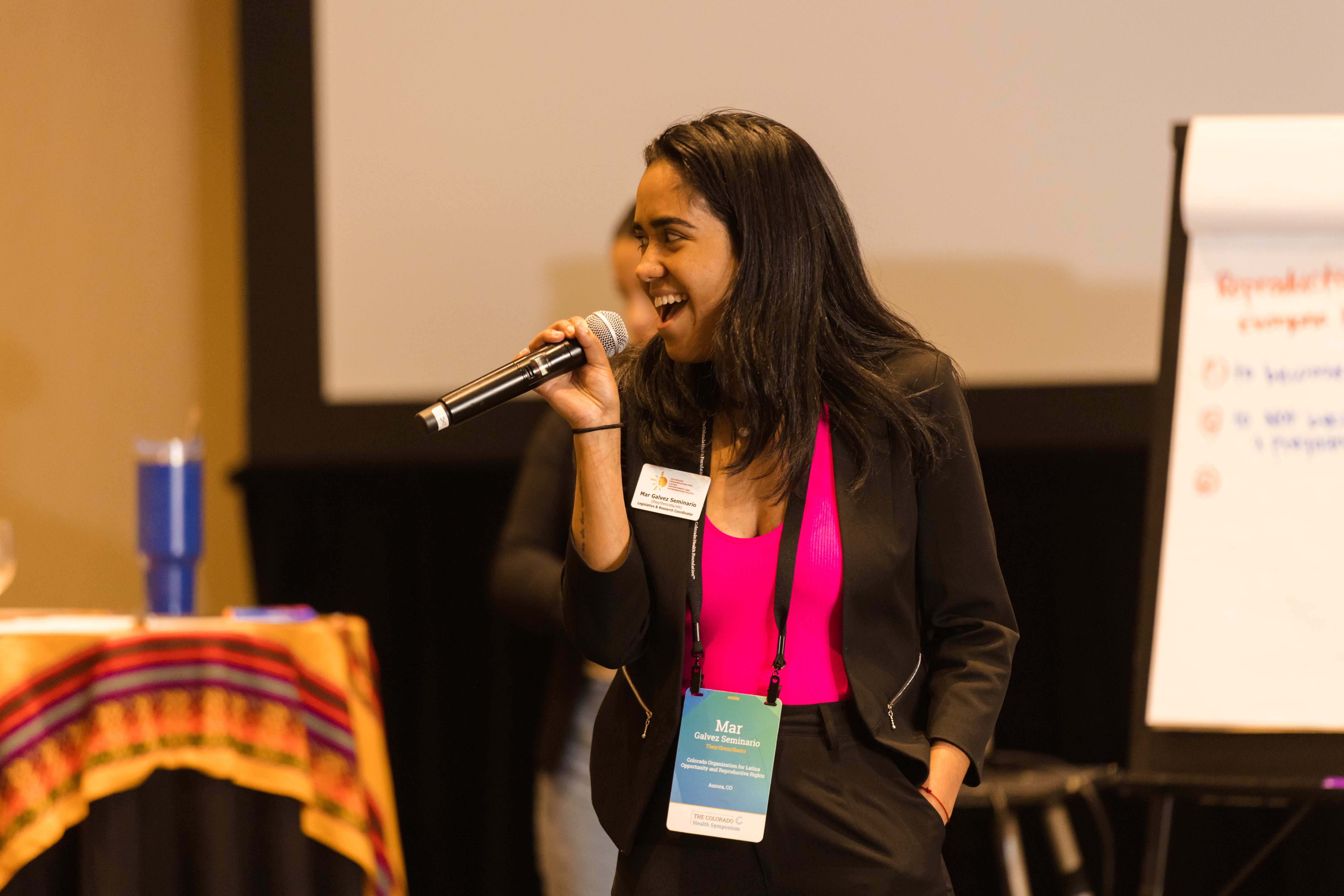
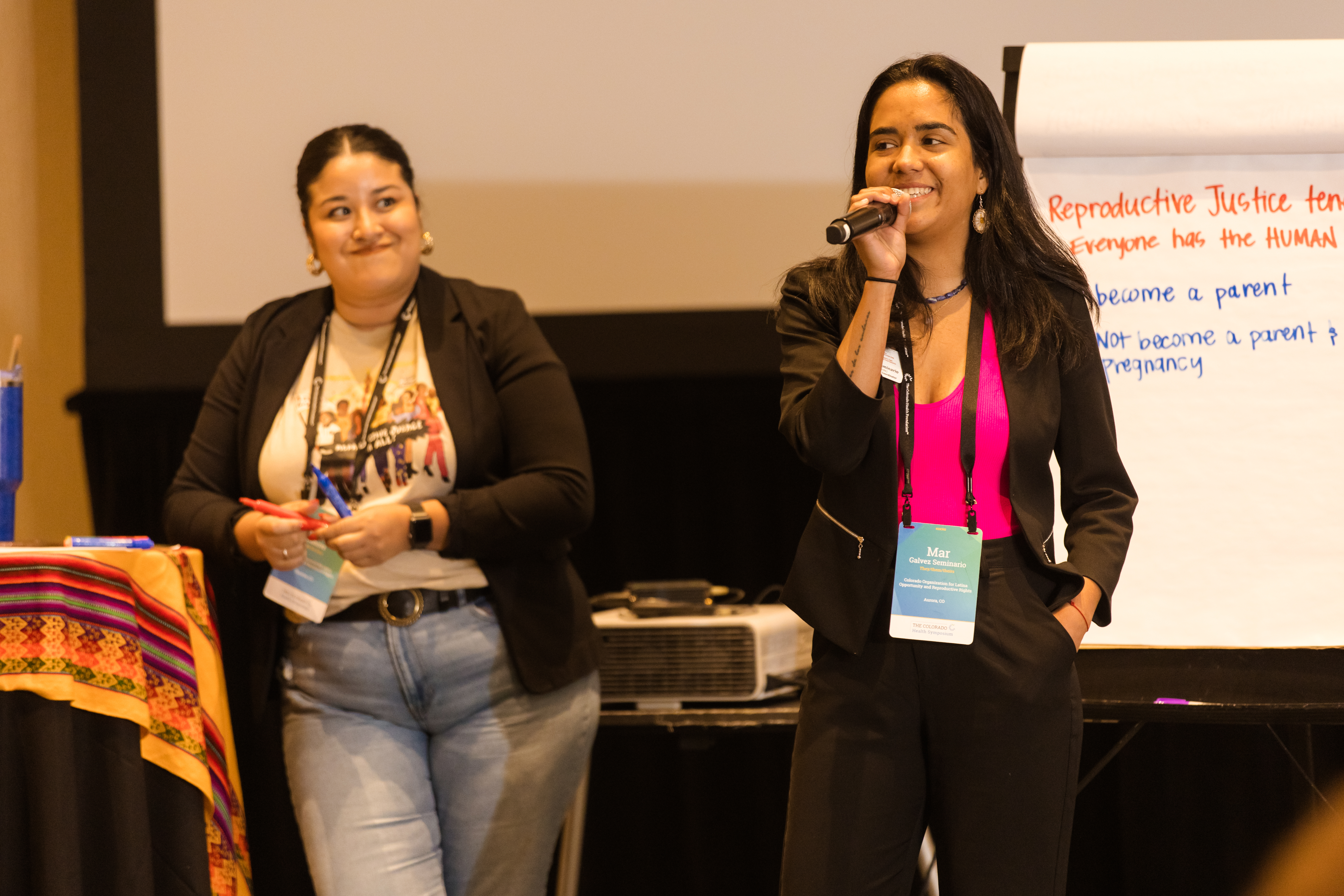
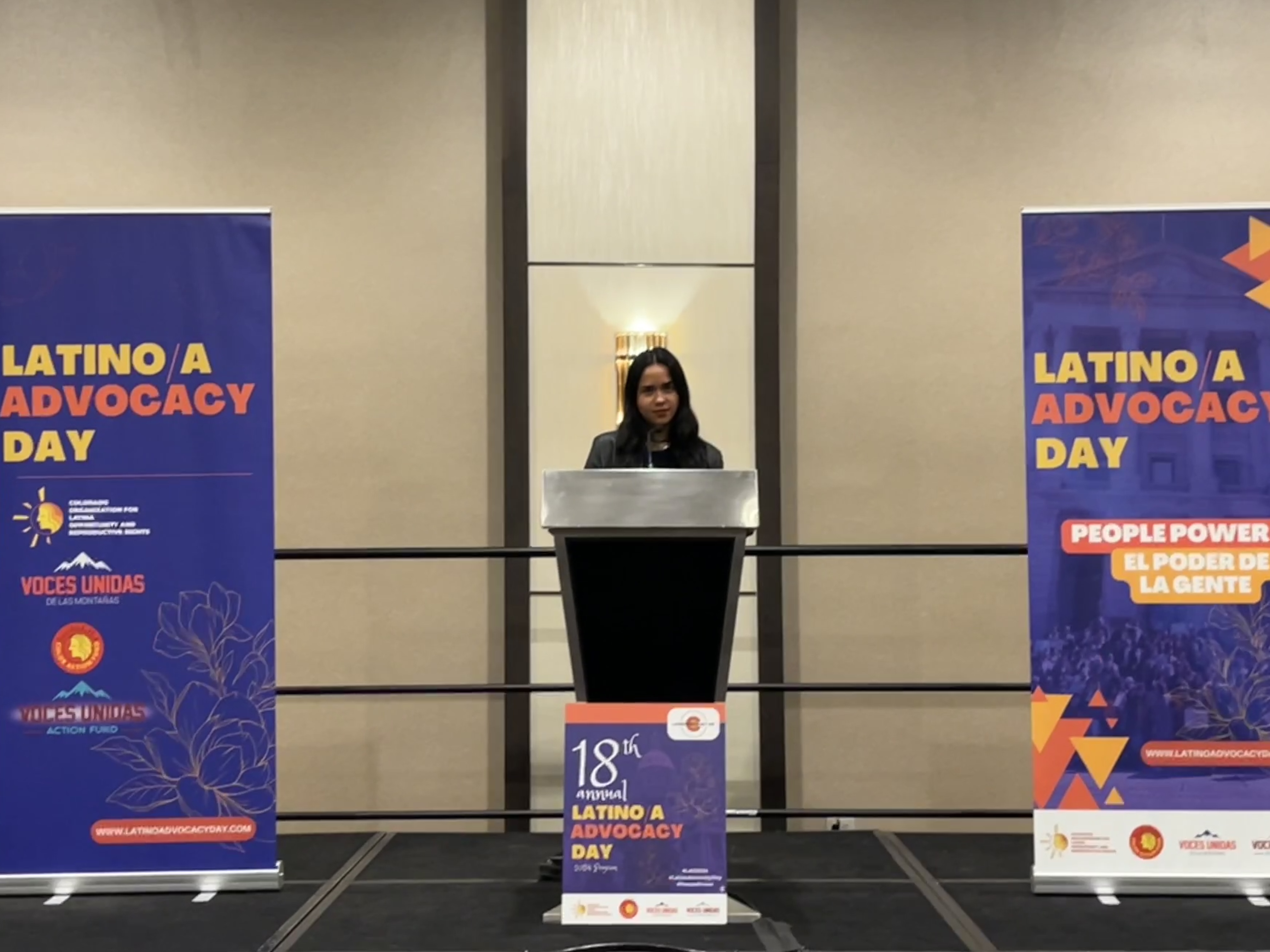
Mar Galvez Seminario
They/Them
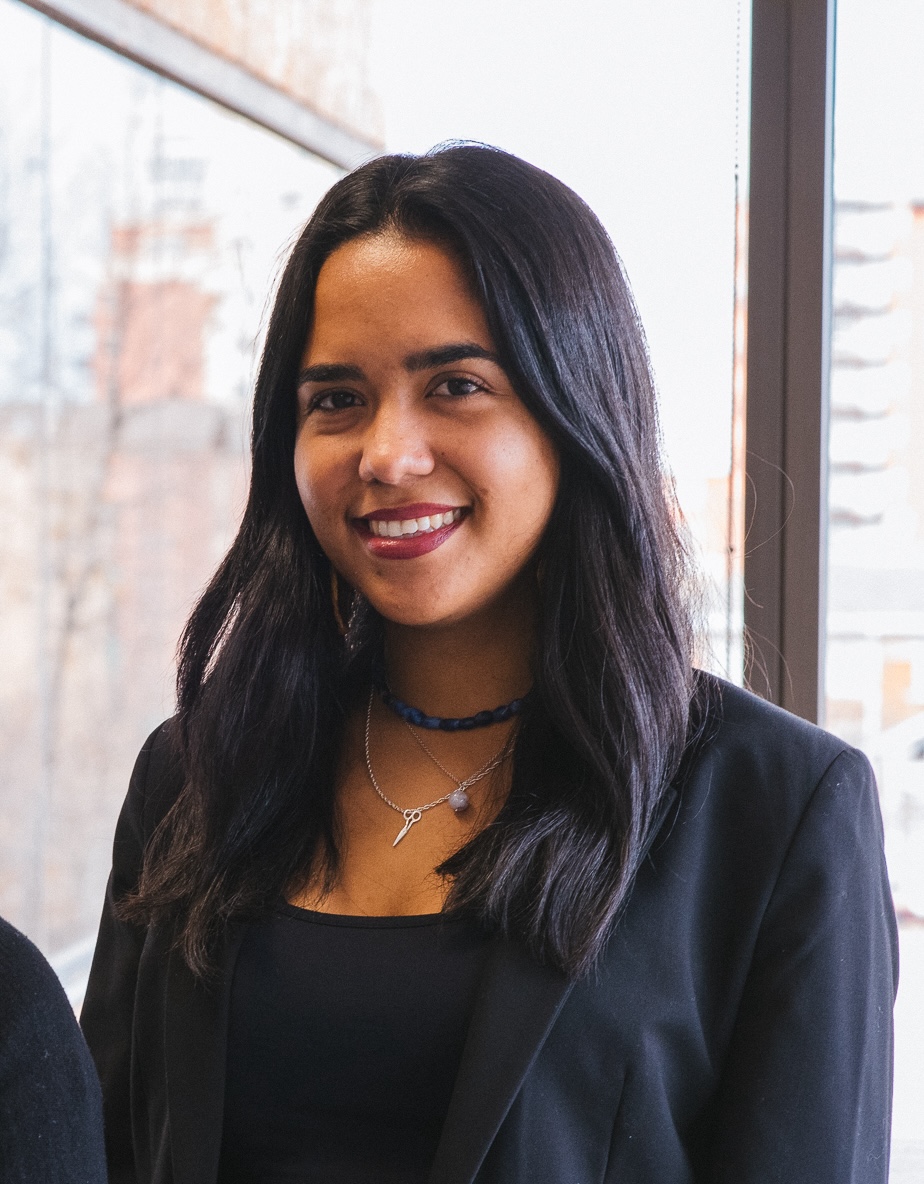
Mar is a PhD Student in the Women, Gender, and Sexuality Studies at Stony Brook University. For seven years, they worked in the frontlines of Colorado reproductive politics with the Rocky Mountains’ only Latina-led reproductive justice organization. Now, as a doctoral student, their research is a continuation of their work in reproductive justice, queer and trans politics, sexual and reproductive health policy, and looking at the privatized and racialized familial politics entangled with the institutionalized violence that reproductive justice seeks to dismantle.
Through various forms of archival research, Mar’s research is interested in how sexual, reproductive, and familiar politics (and designations of sexual deviance) are not only leveraged to uphold racial capitalism, but define the lines between deserving and undeserving subjects under U.S. imperialism. They hope to tease out how the stigma of sexual deviance within U.S. reproductive politics reifies the “disposability” of deviant, perverse, or otherwise “unproductive” subjects, which undermines resistance to the insidiously interconnected systems of reproductive and sexual oppression. Rather than rhetorically distancing the RJ movement from what makes undeserving subjects subjectively nonnormative, they might shift the focus towards how that subjective designation by hegemonic power results in a denial of pleasure and basic needs met.
They are also part of the Youth Abortion Project research team: between 2020 and 2024, as an academic-community partnership, we conducted semi-structured qualitative interviews with 93 young people in Colorado, Illinois, Texas, and California who obtained or considered abortion when they were between ages 15 and 22. Our first paper from this project, on Colorado’s Parental Notification Law, is out now!
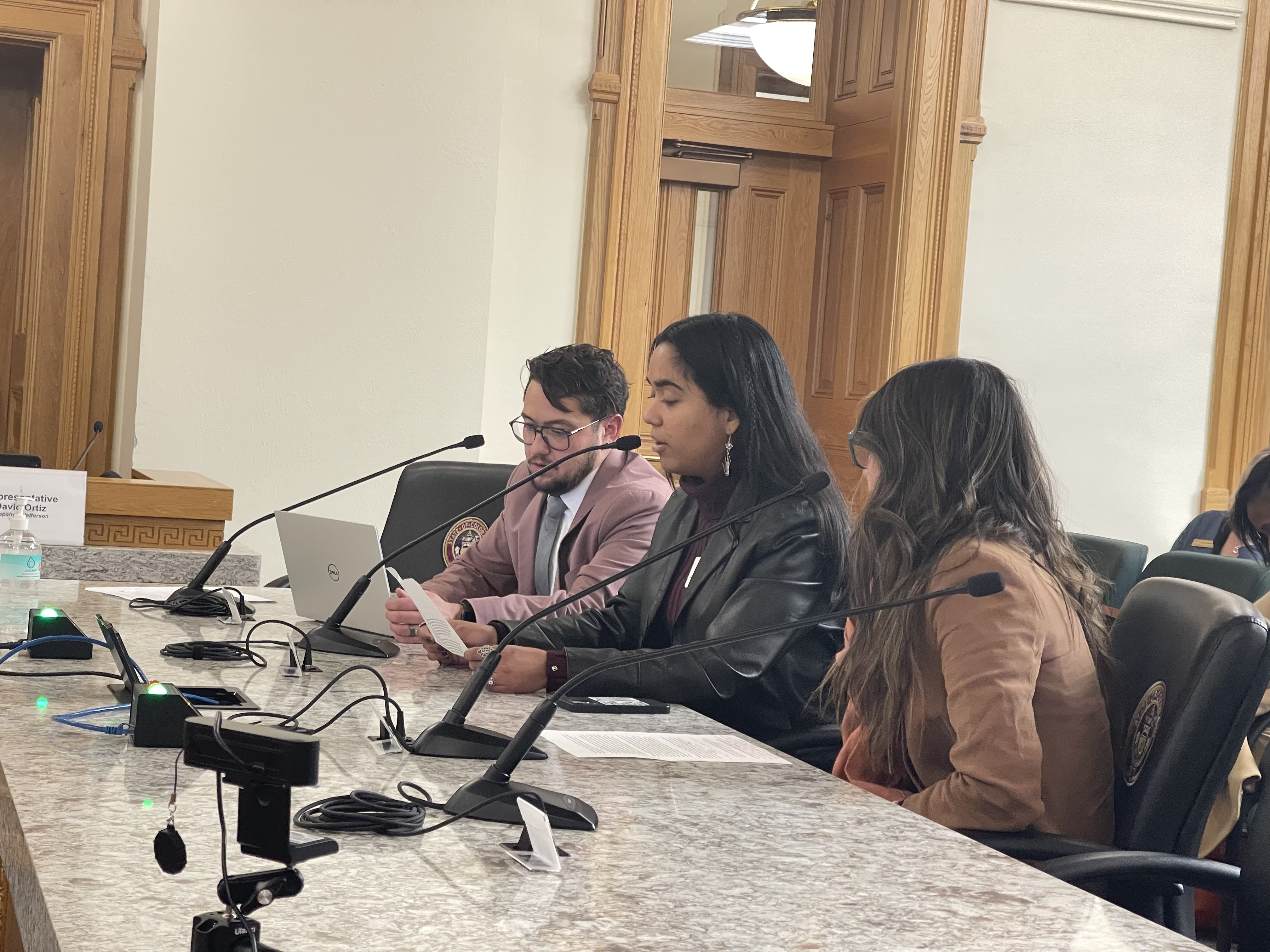
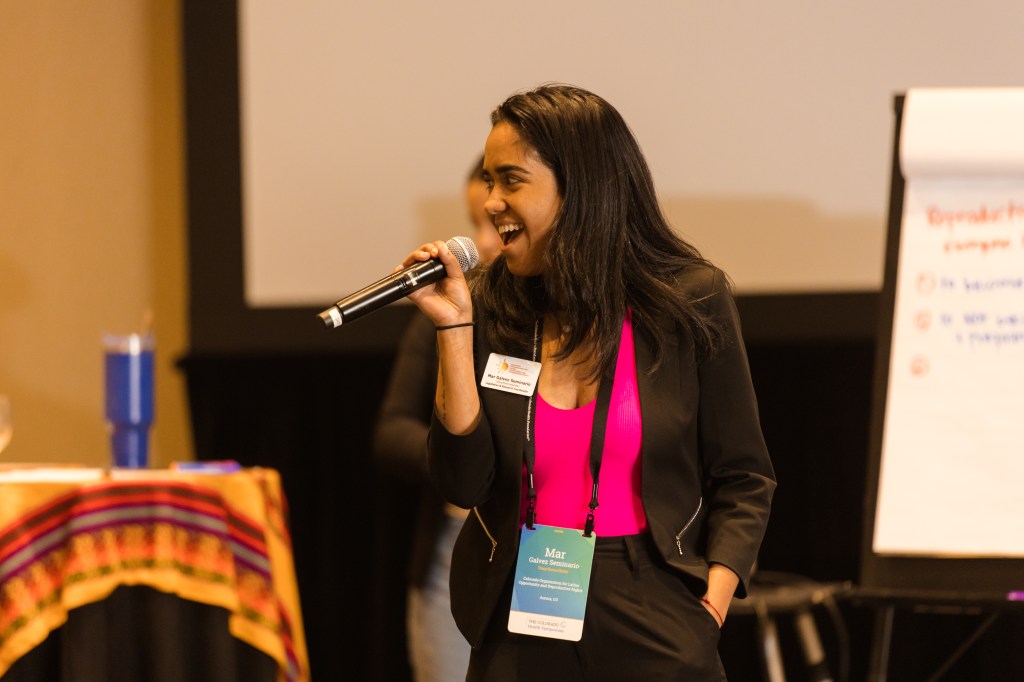
They worked for the Colorado Organization for Latina Opportunity and Reproductive Rights (COLOR) for seven years as a community organizer, educator, and eventually their Legislative and Research Manager, supporting COLOR’s research, legislative and regulatory work for laws such as regulating anti-abortion centers, a shield law for trans and abortion care, expanding Colorado medicaid for undocumented Coloradans, and more.
They also helped co-created the online Abortion Doula Training for the Colorado Doula Project, facilitating module, “Disparities in abortion care for people of color and queer and trans people, and how to combat reproductive injustice,” as a continuation of their community education work.

Forthcoming
“Queering with the Reproductive Justice Archive: Enabling Agency in Coalitions Through Playfulness, ‘World-Travelling,‘ and Perverse Imagination.”
“An In-Depth Interview Study of Young People’s Experiences Accessing Abortion in the Context of Abortion Bans.”
Co-authored with Lauren J. Ralph, Maricela Cervantes, Ariana Rodriguez, M. Antonia Biggs, and Kate Coleman-Minahan.
“Consideration and Use of Self-Managed Abortion Among Young People.”
Co-authored with Kate Coleman-Minahan, Maricela Cervantes, Ariana Rodriguez, Lauren J. Ralph, and M. Antonia Biggs.
Publications

“Exploring Adolescents’ and Young Adults’ Abortion Disclosure and Adolescents’ Experiences Navigating Colorado’s Parental Notification Law”
Coauthored with Kate Coleman-Minahan and Lauren Ralph
Journal of Adolescent Health
2025

“Reflections on Antiracist Feminist Pedagogy and Organizing: This Bridge Called My Back, Forty Years Later
Contributing author with Kristie Soares, Anissa Lujan, and Luz Macias.
Feminist Studies
2022
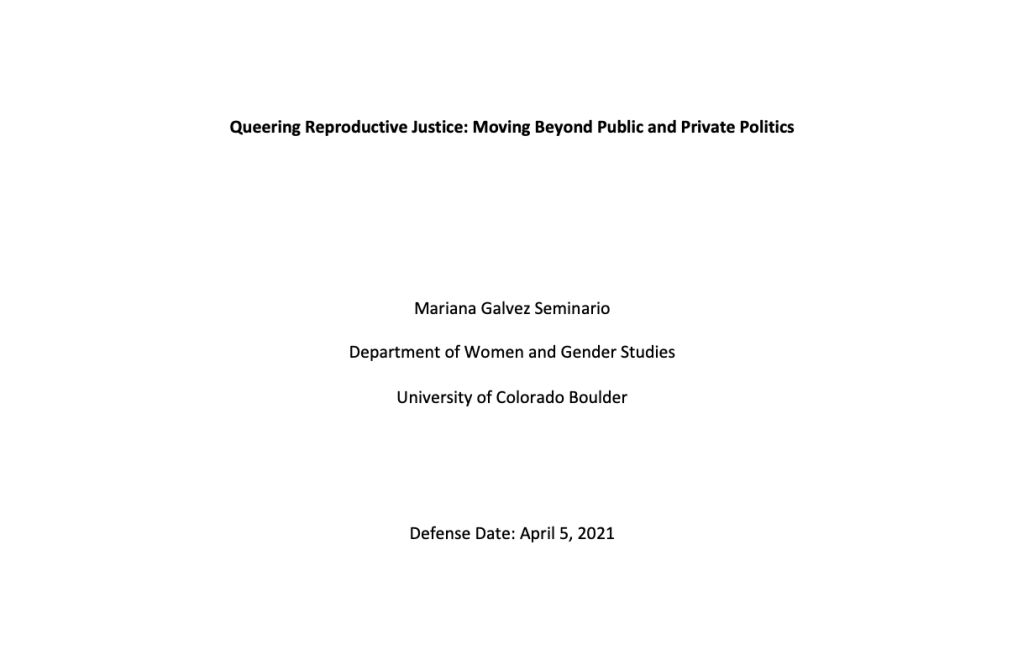
“Queering Reproductive Justice: Moving Beyond Public and Private Politics”
Undergraduate Honors Thesis
CU Scholar
2021

“Guerreras y Puentes: the theory and praxis of Latina(x) activism”
Coauthored with Celeste Montoya.
Politics, Groups, and Identities
2020